

Recovery Timing Matters: What Elite Sport Science Can Teach Everyday Athletes
Published:
Last updated:
Written by: Susie Reiner, PhD, CSCS, ACSM-EP; TheoryEx
Recovery has never been more popular. Cold plunges, compression boots, massage guns, heat therapy, red light therapy, breathing exercises. There are more recovery tools than ever before, each enhancing the body’s natural recovery processes to help you bounce back faster.
According to performance scientist and Therabody Scientific Advisor Robin Thorpe, PhD, the most impactful intervention isn't which recovery tool you use. It's when and why you use it.
Thorpe and colleagues recently published a review in the FIFA World Cup 2026 edition of the Aspetar Sports Medicine Journal, where they introduce an updated framework for recovery periodization. Rather than treating recovery as something you do the same way after every workout, they argue that recovery should change each day, matching your last workout, preparing you for what’s next, and aligning with your goals. [1]
The framework was developed for elite football players competing in the World Cup, where players may compete multiple times within a matter of days while balancing travel, training, and recovery. Although these are unique demands, the underlying principles apply to recreational runners, strength athletes, weekend warriors, and anyone trying to balance training with recovery.

What do people misunderstand about recovery?
People may think of recovery as something that only happens after (and exclusively to) training. Physiologically, recovery is part of the training process itself. The purpose isn't solely to reduce soreness or fatigue. It's to help your body respond appropriately to the demands of training while preparing you for what's next.
"The biggest misconception is that recovery is simply about recovering as much or as quickly as possible. Recovery is better viewed as a multifaceted process involving interacting physiological and psychological systems, where the objective should be to apply the right strategy at the right time."
Recovery should support your next goal. Sometimes that's performing again tomorrow. Other times, it's allowing your body to respond to training and become stronger, faster, or more resilient. For example, during a World Cup tournament, the recovery plan for a player competing every three to six days looks different from that player’s recovery plan during preseason, when there is more opportunity to build strength, speed, and endurance.
Before choosing a recovery strategy, ask yourself three questions:
- What am I recovering from?
- Do I need to recover at all?
- What do I need to be ready for next?
The answers should guide what recovery tools you choose and how and when you use them.
How to apply it: Before reaching for a recovery tool, think about your next workout. Your recovery strategy should help prepare you for what's coming next, whether that's another competition or your next training session.
What is recovery periodization?
Recovery periodization means matching recovery strategies to the primary demands of each training session while considering where that session falls within the broader training week and season. [1]
Athletes go into training blocks with a plan that changes over time; they don’t stay static. Hard workouts are balanced with easier sessions, and training plans progress over weeks and months.
Thorpe emphasizes that recovery deserves the same level of planning.
"Periodized recovery means that recovery strategies evolve alongside the demands of training and competition rather than remaining static. Just as training is periodized to develop different physical qualities, recovery should also be planned according to the dominant physiological and psychological stressors within the microcycle and across the season."
Immediately after competition, restoring function and preparing for the next performance may be the priority. During a heavy training block, recovery may instead support tissue remodeling and adaptation while allowing athletes to continue training at a high level. [1]
How to apply it: Your recovery routine doesn't have to look the same after every workout. Adjust it based on the intensity of your training, what you’re preparing for, and your performance goals.

Can using recovery tools at the wrong time slow your progress?
Potentially, depending on your training goals. Recovery strategies that help you feel better in the short term may not always be the best choice if your primary goal is maximizing long-term training adaptations. That's why performance scientists consider both the timing of the intervention and the demands of upcoming training sessions when recommending a recovery tool.
"The goal is to achieve the appropriate balance between short-term readiness and long-term adaptation. Fatigue is not always something to eliminate. It represents an important biological stimulus that drives adaptation. The challenge for practitioners is determining when recovery should be prioritized and when adaptation should take precedence."
For example, a football player competing in a World Cup knockout match every three to four days has very different recovery priorities than an athlete completing a strength workout several days before the next training session.
During periods of congested competition, strategies that restore readiness quickly may be appropriate. During training phases focused on building strength or endurance, practitioners may place greater emphasis on preserving the body's adaptive response to exercise while still supporting recovery. [1, 2]
How to apply it: If you're training to build strength or endurance, consider whether your priority is recovering for tomorrow’s activity or maximizing today's workout benefits.
Should you use cold or heat after a workout?
Current evidence suggests that cold and heat both have a place within a recovery plan. The decision depends on the athlete's recovery objective.
Cooling strategies may be most appropriate when rapid recovery is the priority, such as after competition when games are played in rapid succession. Heating interventions may be better suited later in the recovery process when the emphasis shifts toward long-term adaptation from ongoing training stimuli. [1, 4, 5]
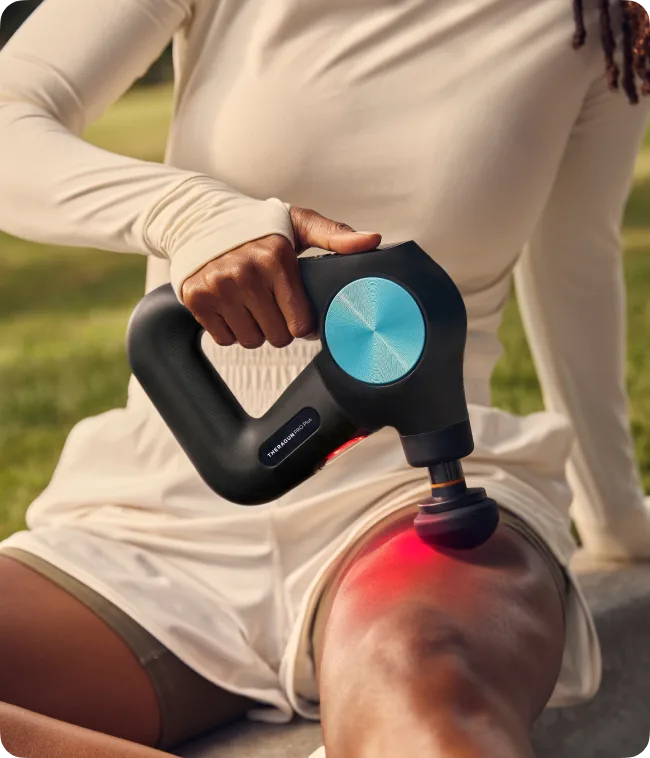
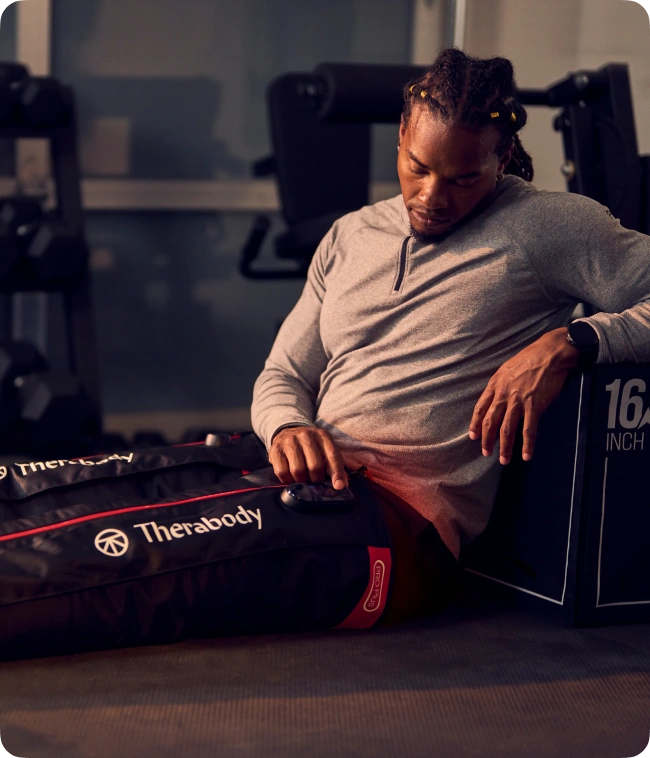
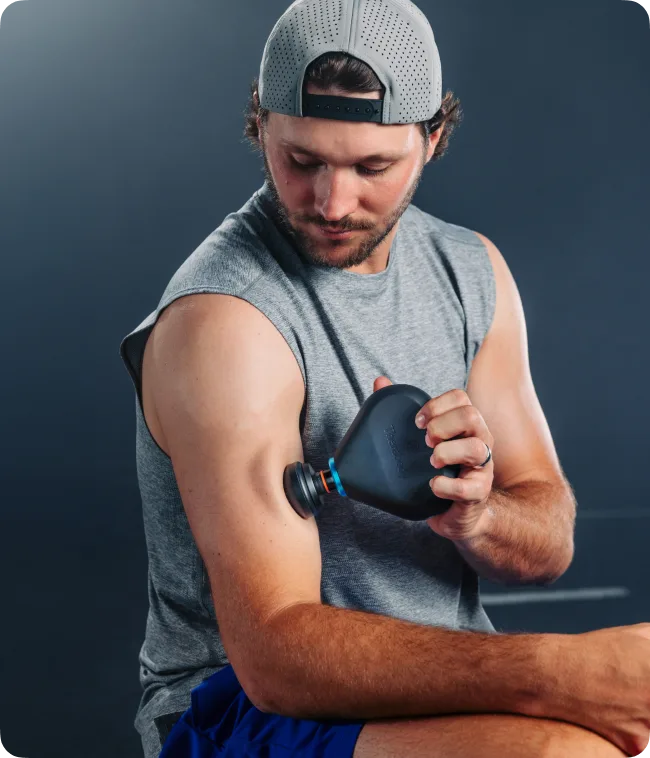
The same principle applies to other recovery tools. Percussive massage, pneumatic compression, mobility work, and photobiomodulation (red light therapy) may all support recovery when they align with the athlete's needs and training goals. [6, 7]
For example, using Theragun® after a demanding training session may help reduce muscle soreness or improve range of motion before your next workout, while JetBoots® can help improve circulation during periods of travel, tournaments, or heavy training volume. These tools are intended to complement foundational recovery habits rather than replace them.
How to apply it: Choose recovery strategies that align with your goal. Cooling may be more appropriate when rapid recovery is the priority, whereas heating strategies may be better suited later in the recovery process to support ongoing training adaptations.

Why is psychological recovery the "forgotten session"?
Psychological health significantly influences how the body performs and recovers. Travel, work, family responsibilities, poor sleep, stress, and mental fatigue all influence an athlete's ability to train and perform. Yet psychological recovery is often overlooked.
"Historically, recovery has focused on restoring muscles and physiological function because these responses are easier to observe and measure. However, psychological stress and mental fatigue influence decision-making, perceived effort, autonomic regulation, and ultimately physical performance."
During tournaments like the FIFA World Cup, players aren’t just recovering from matches. They’re also managing travel, media obligations, disrupted sleep, psychological pressure, time zone changes, and being away from home. Recreational athletes experience many of these same stressors in different ways, whether balancing work, family, or travel while training.
Additionally, quality sleep remains one of the most effective recovery strategies available. Mindfulness, breathing exercises, time outdoors, and simply disconnecting from the demands of training can also help restore cognitive and emotional health during periods of high stress. [8, 9, 10]
"Increasingly, the evidence suggests that physical and psychological recovery should be considered complementary rather than independent processes."
How to apply it: Prioritizing sleep, managing stress, and taking time to mentally recharge can help you return to training feeling more prepared.

How does recovery compare between competitive and everyday athletes?
While elite football teams have access to sophisticated recovery technologies, the biggest lessons from recovery periodization are surprisingly simple and applicable to everyday athletes.
"Elite athletes often have access to sophisticated recovery technologies, but the fundamental principles remain remarkably simple. Consistently prioritizing sleep, nutrition, hydration, and appropriate training load will have a greater impact than any single recovery intervention."
Once those habits are consistently in place, recovery tools can help support specific goals throughout your training cycle. [11]
As Thorpe summarizes, "The objective should not be to maximize recovery indiscriminately, but to support the right balance between recovery, adaptation and long-term performance."
Key takeaways
- Recovery should support both immediate performance and long-term adaptation.
- Recovery strategies should evolve throughout a training week and across a season.
- Sleep, nutrition, hydration, and appropriate training load remain the foundation of effective recovery.
- Heat, cold, percussion therapy, compression, and other recovery tools work best when they support your training goals.
- Planning your recovery with the same intention as your training can help you get more from both.
References
- Emerging Challenges in Recovery for the Elite Football Player
- Post-exercise cold water immersion attenuates acute anabolic signalling and long-term adaptations to strength training
- Soft-tissue injuries simply need PEACE & LOVE
- Muscle regeneration is improved by hot water immersion but unchanged by cold following a simulated musculoskeletal injury in humans
- Post-exercise cold-water immersion and resistance training adaptations: current evidence and practical considerations
- Effects of intermittent pneumatic compression as a recovery method after exercise: A comprehensive review
- Low intensity near-infrared light promotes bone regeneration via circadian clock protein cryptochrome 1
- Sleep and athletic performance: the effects of sleep loss on exercise performance, and physiological and cognitive responses to exercise
- Recovery in soccer: part II. Recovery strategies
- The effects of relaxation techniques following acute, high intensity football training on parasympathetic reactivation
- Recovery and Performance in Sport: Consensus Statement


Related products
-
CryoTherm™ Palm
Regular price £349Unit price per -
 Sold out Sale
 -
 Sold out Sale
 -
 Sold out Sale